Introduction
Digital marketing has become one of the most effective ways for businesses to build brand awareness, generate leads, and increase online sales. After working with multiple business websites and online marketing campaigns, one important trend stands out: businesses that focus on helpful content, SEO, and user experience consistently achieve better long-term results.
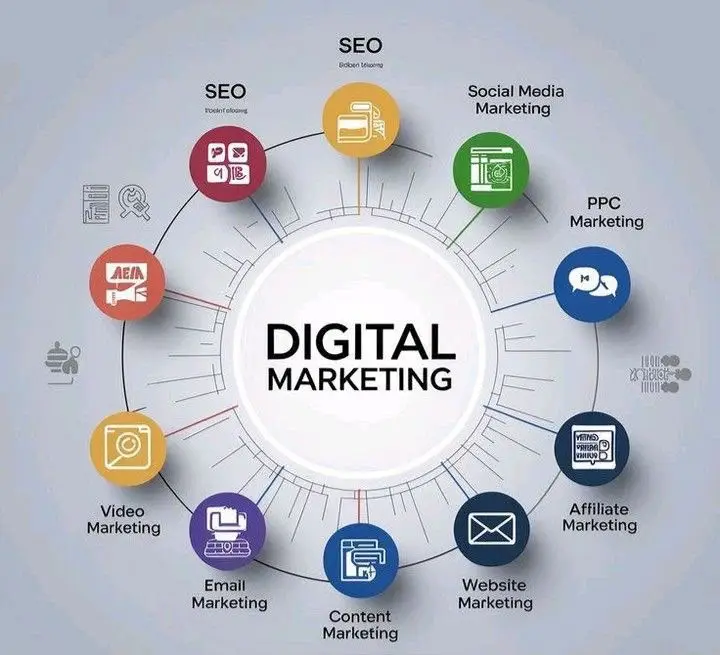
Today, digital marketing is more than running advertisements. It includes:
- search engine optimization,
- content marketing,
- social media marketing,
- email campaigns,
- paid advertising,
- website optimization,
- and customer engagement strategies.
In this guide, you’ll learn how digital marketing works, why it matters for businesses, and the most important strategies for improving online visibility in 2026.
What Is Digital Marketing?
Digital marketing refers to promoting products or services using online channels and digital technologies.
These channels include:
- search engines,
- websites,
- social media,
- email,
- online advertising,
- mobile applications.
The goal of digital marketing is to connect businesses with potential customers online.
Why Digital Marketing Is Important
Increases Online Visibility
Most customers now search online before purchasing products or services.
A strong digital marketing strategy helps businesses appear in:
- search engines,
- social media feeds,
- local business searches,
- online advertisemen
Generates Targeted Traffic
Unlike traditional advertising, digital marketing allows businesses to reach users actively searching for related products or services.
For example:
- local business SEO,
- Google Ads campaigns,
- social media targeting,
- content marketing.
Builds Brand Trust
Consistent online presence and helpful content improve customer trust and credibility.
Businesses with:
- professional websites,
- active social media,
- educational blog content,
- positive reviews,
often appear more reliable to users.
Main Types of Digital Marketing
1. Search Engine Optimization (SEO)
SEO improves website visibility in search engines like Google.
SEO includes:
- keyword optimization,
- technical SEO,
- content creation,
- backlink building,
- website speed optimization.
Helpful SEO resource:
Google Search Central
2. Content Marketing
Content marketing focuses on creating valuable content to attract and educate users.
Examples:
- blog articles,
- tutorials,
- videos,
- case studies,
- guides.
Helpful content often improves both SEO and user trust.
3. Social Media Marketing
Platforms like:
help businesses:
- engage audiences,
- promote content,
- generate leads,
- build brand awareness.
4. Pay-Per-Click Advertising (PPC)
PPC advertising allows businesses to display paid ads in search engines and social platforms.
Popular platforms:
PPC campaigns can generate immediate traffic when properly optimized.
5. Email Marketing
Email marketing helps businesses maintain communication with customers.
Common uses:
Digital Marketing and E-E-A-T
Modern digital marketing strategies increasingly align with E-E-A-T principles:
- Experience
- Expertise
- Authoritativeness
- Trustworthiness
Google prioritizes websites that demonstrate:
- real expertise,
- accurate information,
- trustworthy content,
- helpful user experiences.
Conclusion
Digital marketing has become an essential strategy for businesses looking to grow their online presence, attract targeted customers, and increase long-term revenue. From SEO and content marketing to social media and paid advertising, each digital channel plays an important role in building visibility and improving customer engagement.